Best Practices for Pest Control in Residential Areas
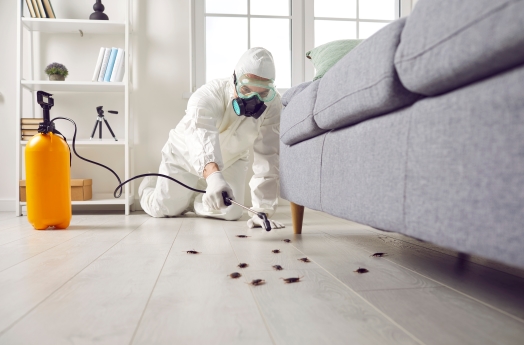
Pest control in residential areas is crucial for maintaining a healthy and comfortable living environment. The presence of pests such as rodents, insects, and other unwelcome creatures can lead to health issues, property damage, and general discomfort. Implementing effective pest control measures not only protects your home but also contributes to the overall well-being of the community. This article explores the best practices for pest control in residential areas, highlighting preventive measures, integrated pest management strategies, and tips for dealing with common household pests.
Preventive Measures
Prevention is always better than cure, and this adage holds true for pest control as well. By taking proactive steps to prevent pest infestations, homeowners can save themselves the hassle and cost of dealing with a full-blown invasion. Here are some effective preventive measures:
• Sealing Entry Points: Inspect your home for cracks and crevices that pests can use to enter. Seal gaps around windows, doors, and utility lines with caulk or weather stripping.
• Proper Waste Management: Keep trash in sealed bins and dispose of it regularly. Pests are often attracted to food waste, so maintaining cleanliness is crucial.
• Eliminate Standing Water: Mosquitoes and other insects breed in standing water. Ensure that gutters are not clogged and there are no areas around your home where water accumulates.
• Regular Maintenance: Keep your garden tidy and trim bushes and trees regularly. Overgrown vegetation can serve as a bridge for pests to enter your home.
Integrated Pest Management (IPM)
Integrated Pest Management (IPM) is an eco-friendly approach that combines various strategies to manage pest populations. It focuses on long-term prevention and minimal use of chemical pesticides. The key components of IPM include:
• Monitoring: Regular monitoring helps in early detection of pest activity. This can be done through visual inspections or using traps and baits.
• Identification: Correctly identifying the pest is crucial for effective control. Different pests require different management strategies.
• Control: Implement control measures such as traps, physical barriers, or biological controls like introducing natural predators.
• Evaluation: Regularly evaluate the effectiveness of your pest control measures and make necessary adjustments.
Dealing with Common Household Pests
Different pests require different approaches for effective control. Here are some tips for dealing with common household pests:
• Rodents: Rodent control is essential as rodents can spread diseases. Use traps and seal entry points to keep them out. For professional assistance, consider services like Rodent control Huntsville.
• Ants: Keep surfaces clean and eliminate food sources. Use ant baits and barriers to control infestations.
• Termites: Regularly inspect wooden structures for signs of damage. Professional pest control services can provide effective termite control solutions.
• Bed Bugs: Wash bedding regularly and vacuum mattresses and upholstery. Professional treatment may be necessary for severe infestations.
Conclusion
Effective pest control in residential areas requires a combination of preventive measures, monitoring, and targeted management strategies. By adopting best practices and seeking professional help when needed, homeowners can protect their homes and maintain a healthy living environment. Remember, the key to successful pest control is vigilance and consistency