Best Beaches in West Africa — Ranked by a Traveller
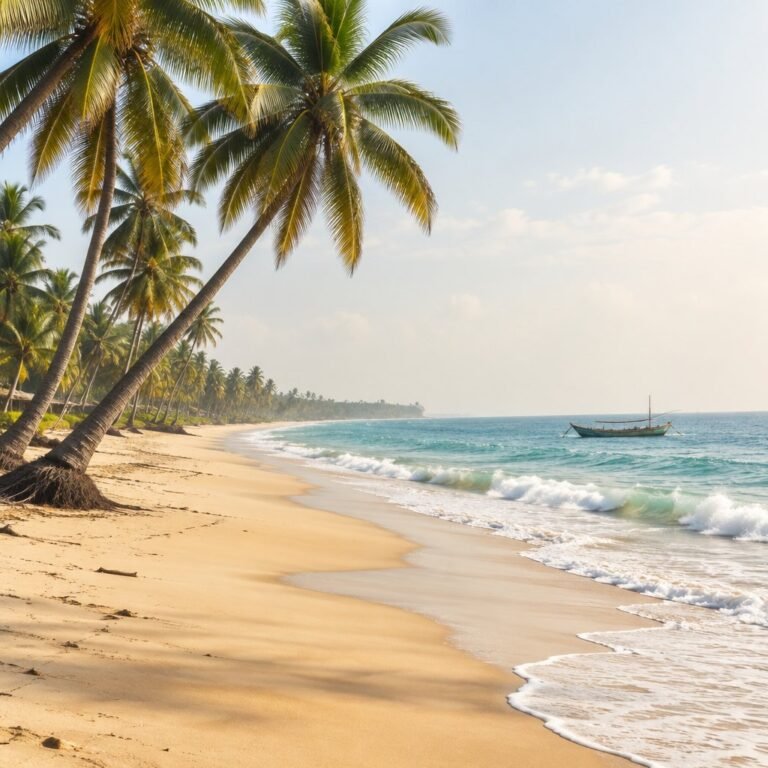
West Africa does not appear in most beach travel guides. That is a mistake — and one that keeps its coastlines blissfully uncrowded, genuinely affordable, and authentically unspoiled. After travelling through seven West African countries and spending time on more than twenty beaches across the region, here is an honest, ranked guide to the best the Atlantic coast of Africa has to offer.
Why West Africa’s Beaches Are Underrated
The honest answer is that West Africa has an image problem. Most travellers still associate beach holidays in Africa with Zanzibar, Cape Town, or Mauritius — all in the south or east of the continent. The Atlantic coastline stretching from Senegal to Nigeria gets a fraction of the attention despite offering white sand beaches, warm water year-round, extraordinary sunsets over the Atlantic, and prices that would make a Greek island feel embarrassing by comparison.
These beaches are not undiscovered — locals know them well, and they are full of life, colour, and community. They are simply underpublicised to international visitors. That is changing fast. Here is where to go before it does.
At a Glance — Rankings
| Rank | Beach / Location | Country | Best For |
|---|---|---|---|
| 🥇 1 | Fajara & Kotu Beach, Serekunda | The Gambia | Best overall — variety, atmosphere, sunsets |
| 🥈 2 | River No. 2 Beach | Sierra Leone | Most beautiful — pristine white sand, untouched |
| 🥉 3 | Cotonou Public Beaches | Benin | Best free beaches — clean, palm-shaded, authentic |
| 4 | Santa Maria, Sal | Cape Verde | Best resort beach — Caribbean feel, infrastructure |
| 5 | Tokeh Beach | Sierra Leone | Best hidden gem — postcard-perfect, quiet |
| 6 | Labadi Beach, Accra | Ghana | Best lively beach — watersports, food, nightlife |
| 7 | Plage de Ngor, Dakar | Senegal | Best surf beach — working fishing village, character |
| 8 | Tarkwa Bay, Lagos | Nigeria | Best accessible Lagos beach — calm water, activities |
| 9 | Assinie, Abidjan | Côte d’Ivoire | Best surf / resort combination |
| 10 | Bijagós Islands | Guinea-Bissau | Most remote — Seychelles-level beauty, hard to reach |
🥇 1. Fajara Beach, Serekunda — The Gambia
Why it tops the list: The Gambia is the surprise winner of West Africa’s beach rankings — and Fajara Beach in Serekunda is its crown jewel. The Sightseer’s Syllabus, which spent a year ranking seven West African coastlines, gave Serekunda a 9.5 out of 10 — the highest score in the region.
What makes Fajara exceptional is its multi-layered sand — a rare and striking blend of yellow, black, and white sand framed by red hills in the background. It is a working community beach where children ride bikes, teenagers play football, old men fish at the water’s edge, and families picnic. Visitors and locals blend here in a way that feels genuinely seamless rather than tourist-constructed.
The nearby Kotu Beach offers white sand and a livelier atmosphere, lined with waterfront hotels and restaurants that — crucially — are set back from the shore, leaving the beach itself open and uncrowded. The Gambia was ranked the 4th safest country in Africa for travellers by Business Insider in 2026 — a designation that reflects both its political stability and the genuine warmth of its people, long dubbed the “Smiling Coast of Africa.”
Practical info:
- Getting there: Direct flights from London Gatwick (4.5 hours, no time difference with the UK)
- Best time to visit: November to May (dry season)
- Stay: Senegambia Beach Hotel or smaller guesthouses in Kololi
- Cost: Very budget-friendly — full day on the beach with food and drinks under £15
🥈 2. River No. 2 Beach — Sierra Leone
Why it’s number two: River No. 2 Beach is arguably the most physically stunning beach in all of West Africa. Sierra Leone’s Ministry of Tourism describes it as a unique beach with pristine white sand, a long stretch river, wildlife ecosystem, and a mountainous backdrop — located 15km from Freetown on the Western Area Peninsula. My Adventures Across the World calls it “by far the best” beach in Freetown — boasting incredibly fine white sand and transparent azure waters perfect for swimming.
What sets River No. 2 apart from any beach in Europe or the Caribbean is its setting — the beach sits where a river meets the Atlantic, backed by dense tropical forest and hills. The water is clear and calm enough for safe swimming, the sand is powder-white, and on a weekday you may have stretches of it almost entirely to yourself.
Rest Less notes that Sierra Leone has been “one of the fastest-growing tourism countries in the world” over the past decade. The beach food culture here is extraordinary — Freetown is known locally as “Sweet Salone” — with beach shacks serving grilled barracuda, fried tilapia, fresh lobster, crab, oysters, and fried plantain with pancakes at prices that feel impossibly low.
Practical info:
- Getting there: Fly to Lungi International Airport; water taxi or helicopter to Freetown (15 min)
- Best time to visit: November to April (dry season)
- Stay: Tokeh Beach Resort or guesthouses in Freetown
- Cost: Very affordable — entry to some managed beaches ~£2–3
🥉 3. Cotonou Public Beaches — Benin
Why it’s number three: Benin’s beaches are the region’s best-kept secret and the best example of how a West African government can manage public beach access properly. The Sightseer’s Syllabus gave Cotonou an 8.5 out of 10 — “top-tier beaches: clean, easily accessible, and free” — with palm trees planted strategically to provide natural shade, and stretches of vast desert-like sand that create a landscape unlike anywhere else on the coast.
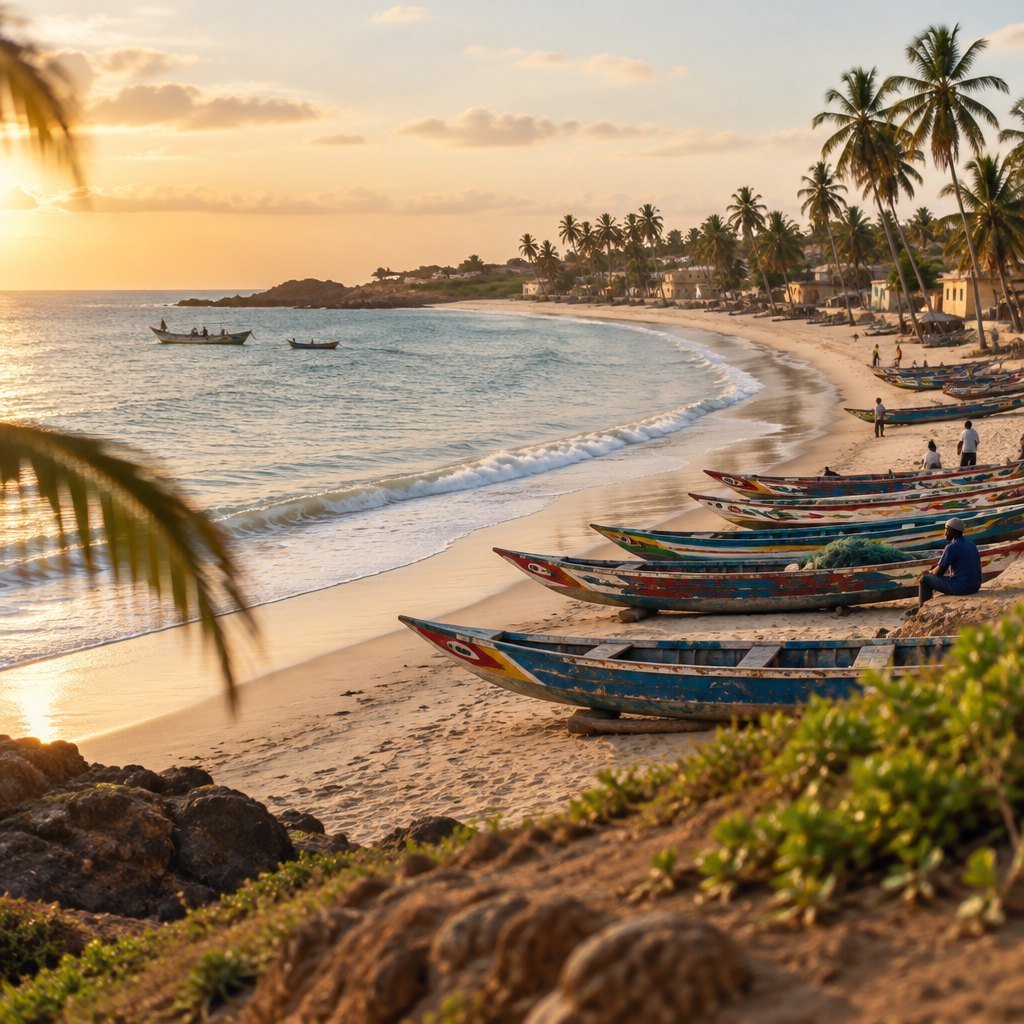
The local authority in Cotonou has clearly invested in maintaining these beaches as a public good. Unlike Lagos or Lomé, where prime beachfront is largely taken over by resort developments, Cotonou’s best beaches remain genuinely accessible to everyone. The massive traditional wooden fishing boats moored at the water’s edge add extraordinary visual character.
Practical info:
- Getting there: Fly via Addis Ababa (Ethiopian Airlines), Paris, or Casablanca
- Best time to visit: November to March
- Stay: Hotels clustered around the Fidjrossè Beach area
- Cost: Free public beaches — among the only truly free high-quality beaches in the region
4. Santa Maria, Sal — Cape Verde
Why it’s fourth: Cape Verde is the choice for travellers who want a West African beach holiday with full resort infrastructure — and Santa Maria on the island of Sal is the destination that delivers it. Skyscanner describes it as offering “Caribbean-style resort vibes” — white sand, shallow turquoise water, beach bars, watersports, and consistent sunshine year-round.
Rest Less reports that Cape Verde is “known worldwide for its glorious white sand beaches” — and São Pedro, just 15 minutes from Mindelo, is considered one of the best beaches in the world for windsurfing. The archipelago sits 300 miles off the coast of Senegal, technically making it an island nation rather than mainland West Africa — but it is culturally and geographically part of the region and well worth including.
The ranking is fourth rather than higher because Cape Verde, while beautiful, is also the most European-feeling destination on this list. If you want authenticity and culture alongside your beach time, the Gambia, Sierra Leone, and Benin offer more.
Practical info:
- Getting there: Direct flights from London Gatwick and Manchester (5.5 hours)
- Best time to visit: Year-round — sunshine guaranteed
- Stay: Full resort hotels or self-catering apartments in Santa Maria
- Cost: Mid-range by West African standards — similar to a budget European beach holiday
5. Tokeh Beach — Sierra Leone
Why it’s fifth: Tokeh Beach is the postcard-perfect beach that Sierra Leone visitors who make it beyond Freetown discover and immediately wish they had more time for. Multiple travel writers rate it among the top beaches in the entire country — palm-fringed, quiet, with golden sand and calm warm water.
The Crowded Planet notes that Tokeh and River No. 2 sit on opposite sides of the same lagoon — meaning a single trip from Freetown can take in both beaches in one day. Tokeh tends to be slightly more developed with the Tokeh Beach Resort offering quality accommodation right on the sand.
6. Labadi Beach, Accra — Ghana
Why it’s sixth: Labadi Beach is West Africa’s best urban beach — the place where Accra comes to play. Rest Less describes it as a “palm-fringed shoreline offering equal amounts of relaxation and adventure” — windsurfing, jet skiing, live music, bustling markets, authentic Ghanaian food, and beach bars. It is entry-priced but absolutely worth it for the atmosphere.
African Trek & Travel confirms Ghana as one of the safest West African countries for tourists in 2026, with Accra particularly welcoming to international visitors. For surfers, Kokrobite Beach just outside the city offers reliable waves for beginners and intermediate level. Ghana also combines well with a visit to Cape Coast and Elmina — one of the most historically significant coastlines in Africa, where the Elmina Castle slave fort sits directly on the shoreline, making the Cape Coast trip one of the most moving travel experiences in the region.
Practical info:
- Getting there: Direct flights from London Heathrow (6.5 hours)
- Best time to visit: November to March (dry season)
- Safety: Generally safe for tourists in major tourist areas
7. Plage de Ngor, Dakar — Senegal
Why it’s seventh: Dakar’s beaches offer something few others on this list can match — a working fishing village atmosphere right alongside a surf beach. Rest Less reports that Plage de Ngor is both one of the most popular surf spots in the region and a genuine fishing beach where you can hear fishermen singing as they unload the day’s catch. Senegal is considered one of the safest West African countries for tourists — Dakar, Saint-Louis, and Gorée Island are all tourist-friendly.
For a resort-style beach experience just two hours from Dakar, Pointe Sarene offers a six-mile stretch of sand lined with villas and hotels. For sunset watching, the black rocks of Plage des Marabouts are dramatic and memorable.
8. Tarkwa Bay — Lagos, Nigeria
Why it’s eighth: Lagos gets ranked low for accessible free beaches — The Sightseer’s Syllabus gave it a 5.5 out of 10, noting that most Lagos beachfront is either resort-controlled or poorly maintained. Tarkwa Bay is the exception — accessible by a short boat ride, offering calm protected water, watersports, and entry at an affordable price. It is the one Lagos beach that justifies the trip. Rest Less notes that La Campagne Tropicana — circled by lagoon and mangrove forest — is worth visiting for those who want a more nature-oriented Lagos beach experience. African Trek & Travel advises taking standard precautions in crowded areas and avoiding travel at night in Lagos.
9. Assinie — Côte d’Ivoire (Ivory Coast)
Why it’s ninth: Assinie is the surf destination east of Abidjan that delivers consistent waves and a lively beach resort atmosphere. Rest Less describes it as the go-to spot for surfers visiting Ivory Coast — with plenty of other surfers in the water and a developed beach resort infrastructure around it. Abidjan itself, noted as a rapidly modernising, cosmopolitan city, combines well with the beach as a base.
10. Bijagós Islands — Guinea-Bissau
Why it’s tenth: The Bijagós Islands are the most extraordinary entry on this list — and the hardest to reach. A UNESCO World Heritage Site, these remote Atlantic islands off Guinea-Bissau boast pristine beaches that travellers who have visited compare to the Seychelles. The wildlife — hippos, sea turtles, dolphins — is extraordinary and barely disturbed by tourism.
The ranking reflects accessibility: getting there requires either an expensive speedboat or a once-weekly five-hour ferry from Bissau. For travellers who can manage the logistics, it delivers something genuinely rare — an untouched tropical archipelago with almost no other tourists. If you get there, you will tell everyone about it for the rest of your life.
Practical Guide: What You Need to Know Before You Go
Safety in 2026
West Africa varies significantly by country and region. African Trek & Travel’s 2026 safety guide rates the safest beach destinations as:
- ✅ Senegal — consistently one of the most tourist-friendly West African countries
- ✅ Ghana — generally safe, friendly locals, well-established tourist infrastructure
- ✅ Cape Verde — extremely safe; essentially European in infrastructure
- ⚠️ Sierra Leone — growing tourist destination, Freetown and beach areas safe with standard precautions
- ⚠️ Nigeria (Lagos) — safe in tourist areas; take standard urban precautions
Health Essentials
Before any West African trip:
- Yellow fever vaccination — mandatory for entry to most West African countries; carry your certificate
- Malaria prophylaxis — consult your GP at least 4 weeks before departure
- Hepatitis A and B, Typhoid — recommended for all West African travel
- Bottled or purified water only — across the entire region without exception
Best Time to Visit
The entire West African coast is most pleasant during the dry season: November to April. The wet/rainy season (May to October) brings humidity, heavy downpours, and reduced visibility — though prices drop significantly.
Visa Tips
Visa requirements vary significantly. Ghana and The Gambia are among the easiest for UK and EU passport holders. Cape Verde operates an e-visa system. Sierra Leone requires a visa in advance. Check each country’s current requirements before booking.