What to Know About Roof Insulation and How Roof Repair Companies in Madison AL Handle It
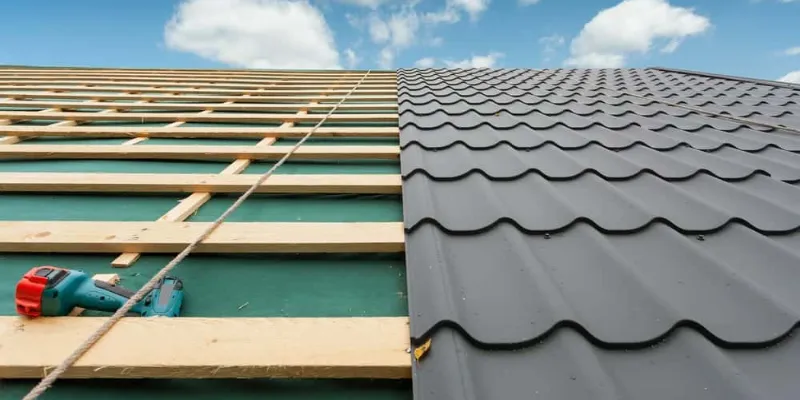
Comfort, energy savings, and protection all depend heavily on what sits between the roof deck and ceiling. Proper insulation management is often overlooked until energy bills rise or the home starts feeling less comfortable through the seasons. Roof repair companies in Madison AL understand that insulation isn’t just padding—it’s a system that works hand in hand with ventilation and sealing to maintain lasting roof performance.
Insulation Density Influencing Overall Thermal Retention
The density of insulation directly affects how well it holds heat during colder months and blocks it during the summer. Higher-density materials slow down thermal transfer, making temperature regulation more consistent across attic spaces. For those searching “roofing near me,” understanding this principle helps explain why professionals often choose specific insulation grades depending on roof slope and material type.
Thicker insulation isn’t always better if it’s installed without accounting for ventilation space. Roof repair specialists evaluate both the R-value and density balance to prevent heat trapping beneath the roof deck. This balance ensures that warm air doesn’t condense against cooler surfaces, maintaining efficiency without adding unnecessary structural weight.
How Moisture Infiltration Undermines Insulation Performance
Moisture is one of the silent factors that can compromise insulation over time. Even small leaks from shingles or flashing can saturate insulation layers, reducing their ability to trap air and retain warmth. This dampness often leads to mold growth, odor buildup, and weakened roof decking, prompting the need for early Madison roof repair.
Roof repair professionals inspect both the roof covering and interior insulation to identify hidden moisture patterns. By sealing entry points and replacing waterlogged materials, they restore proper insulation function. Without intervention, wet insulation continues to deteriorate, forcing HVAC systems to work harder and driving up energy use.
Ventilation Balance Maintained to Prevent Heat Entrapment
Good ventilation allows trapped heat and humidity to escape, preventing insulation from losing efficiency. In attics with poor airflow, hot air accumulates, increasing roof surface temperatures and accelerating shingle aging. Roof repair companies in Madison AL often install ridge and soffit vents to balance airflow naturally.
Well-placed vents protect insulation materials from moisture accumulation while maintaining steady air circulation. This balance extends the roof’s lifespan and ensures consistent indoor comfort levels. Proper ventilation also prevents ice dams in winter and excessive heat buildup during summer months, two conditions that commonly lead to roof repair near me searches.
Compressed Materials Reducing Energy Efficiency over Time
Insulation performs best when it maintains its loft, or thickness. Over time, compression from foot traffic, stored items, or even improper installation can reduce its effectiveness. Flattened insulation loses air pockets that provide the thermal barrier, which causes hot or cold air to transfer more easily into the home. Technicians from experienced roof repair companies measure insulation thickness during inspections to confirm it meets performance standards. Replacing or adding material restores lost efficiency and stabilizes temperature zones throughout the building. Neglecting compressed insulation can make heating and cooling systems compensate for the lost protection, adding strain to overall energy consumption.
Inspection Techniques Revealing Hidden Insulation Gaps
Insulation gaps are rarely visible to the untrained eye but can lead to uneven temperatures and energy waste. Roof repair experts use thermal imaging tools to pinpoint where air leaks or cold spots exist. This non-invasive inspection method helps reveal issues between rafters, wall joints, and vent openings that would otherwise go unnoticed.
Infrared diagnostics make it possible to detect missing insulation beneath the roof deck without removing materials. Once identified, the team seals or refills these gaps, ensuring full coverage. For property owners considering roof replacement, identifying insulation flaws early prevents future repair expenses and enhances overall efficiency.
Replacement Timing Guided by Visible and Thermal Indicators
Insulation doesn’t last forever, and timing its replacement prevents unnecessary heat loss. Discoloration, sagging, or an increase in indoor humidity are early signs that insulation has deteriorated. Roof repair professionals often combine visual inspection with thermal scans to determine when replacement is necessary.
Age and material type also influence how often insulation should be replaced. Fiberglass and cellulose degrade differently, and moisture exposure speeds up that process. Coordinating replacement with other roof repair work, such as flashing upgrades or vent adjustments, ensures a complete energy-saving solution rather than a temporary fix.
Why Improper Sealing Leads to Attic Condensation Buildup
A poorly sealed roof system can create the perfect environment for condensation. Warm indoor air rises and seeps through gaps in the ceiling, meeting cooler attic surfaces and forming moisture droplets. This trapped humidity compromises insulation and promotes wood rot, which often calls for professional roof repair near me services.
Proper sealing involves closing penetrations around vents, recessed lighting, and attic hatches. Roof repair experts also evaluate the vapor barrier placement to prevent moisture migration. By managing both air leaks and vapor flow, the roof system remains dry and structurally stable year-round.
Layer Integration Ensuring Consistent Roof Temperature Control
Effective insulation works as part of a system that includes underlayment, ventilation, and vapor control. Roof repair companies in Madison AL ensure these layers complement each other rather than compete. Each layer serves a distinct purpose—insulation retains heat, underlayment blocks water, and ventilation stabilizes airflow.
This integration creates consistent roof temperature control across all seasons, preventing premature wear and improving comfort inside the building. Skilled technicians coordinate these materials during roof repair or replacement projects to ensure long-term reliability.