Camping Packing List: Essential Gear for a UK Campsite Trip
A good camping trip starts before you leave home. The right packing list depends on where you are going, how long you are staying and whether you are camping with children, but every UK campsite trip needs shelter, warmth, light, food, water and a plan for rain.
This checklist is designed for a typical UK campsite stay. Use it as a base, then add or remove items for your trip.
Check the weather forecast, campsite rules and local conditions before you travel.
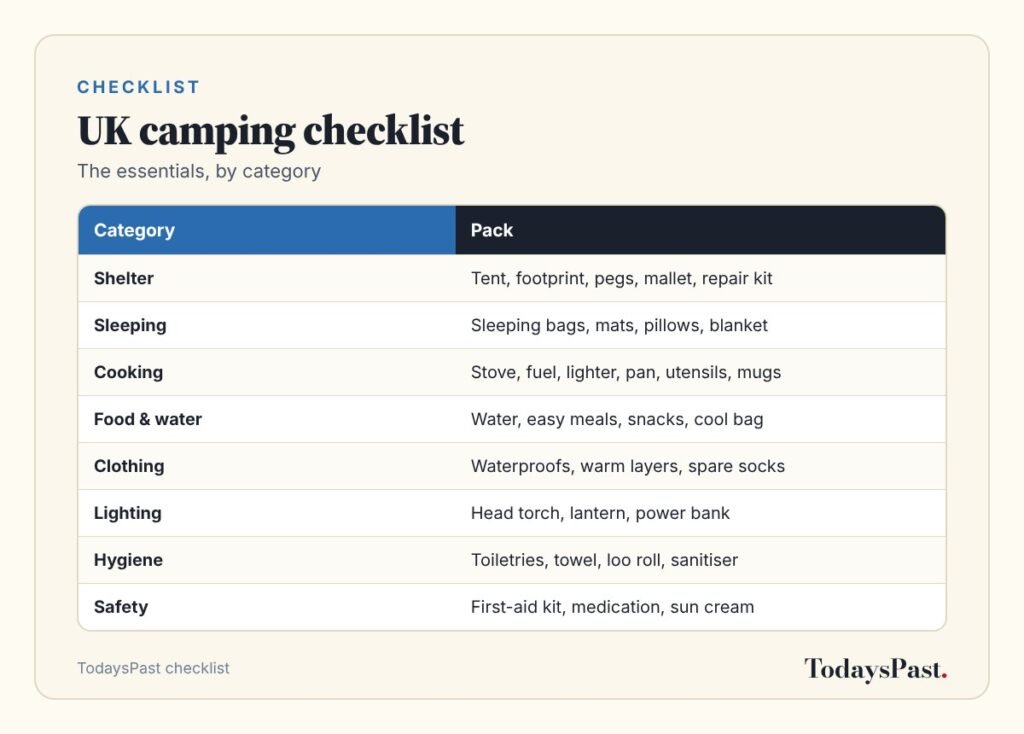
Essential camping checklist
| Category | Items to pack |
|---|---|
| Shelter | Tent, footprint or groundsheet, tent pegs, mallet, spare pegs, repair kit |
| Sleeping | Sleeping bags, sleeping mats or air beds, pillows, blanket, earplugs |
| Cooking | Camping stove, fuel, lighter or matches, pans, plates, cutlery, mugs, bottle opener, washing-up kit |
| Food and water | Drinking water, meals, snacks, tea or coffee, cool bag, reusable bottles, bin bags |
| Clothing | Waterproof jacket and trousers, warm layers, spare socks, sturdy footwear, sleepwear, hat and gloves in cooler months |
| Lighting | Head torch, lantern, spare batteries or power bank |
| Hygiene | Toiletries, towel, toilet paper, hand sanitiser, soap, toothbrush, menstrual products |
| Safety | First-aid kit, medication, sun protection, insect repellent, emergency contact details |
| Useful extras | Phone and charger, power bank, map, camping chairs, table, dry bags, rubbish bags, duct tape |
Pack for UK weather
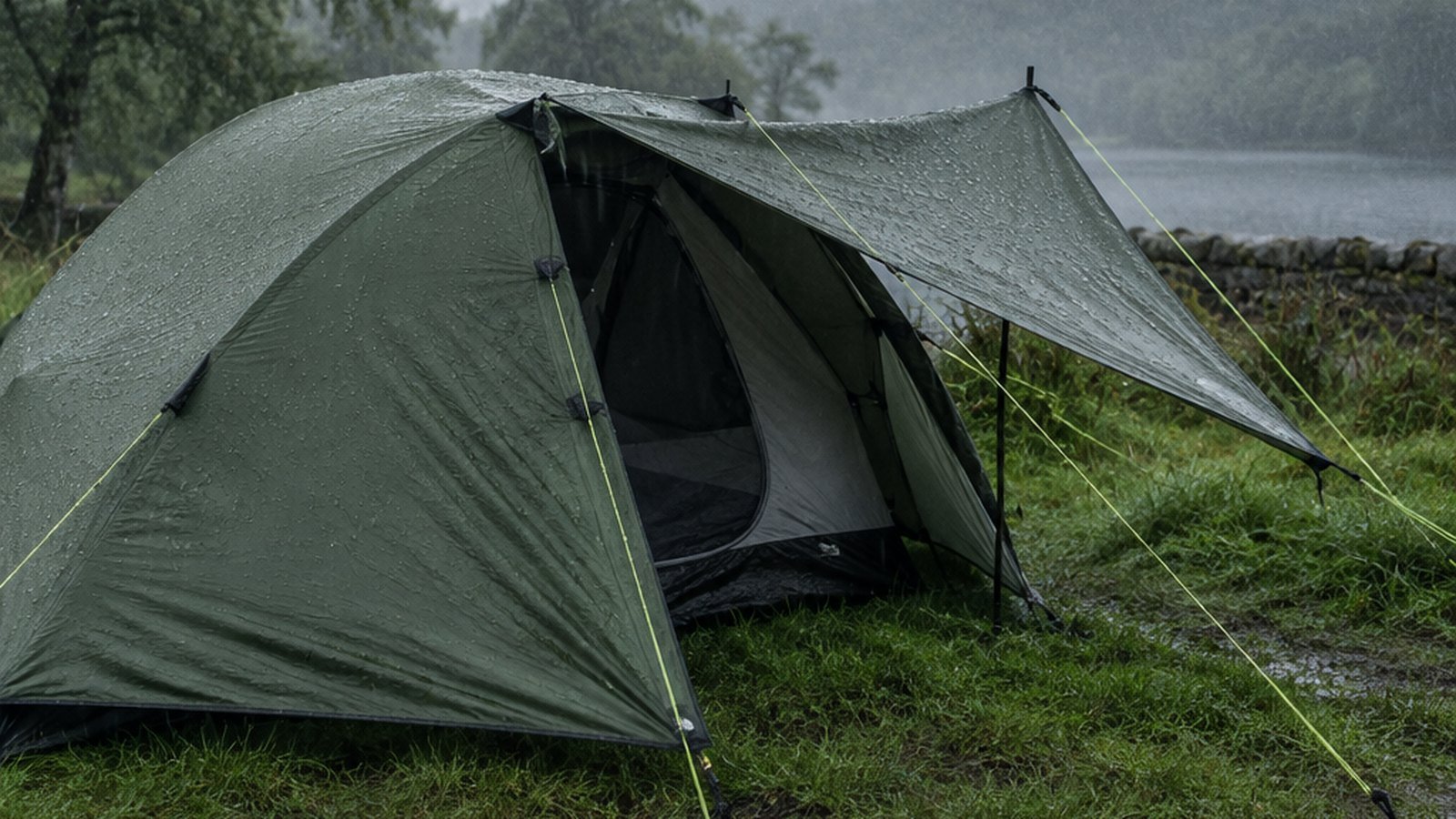
UK camping weather can change quickly, even in summer. Pack for rain and cooler evenings even if the forecast looks good.
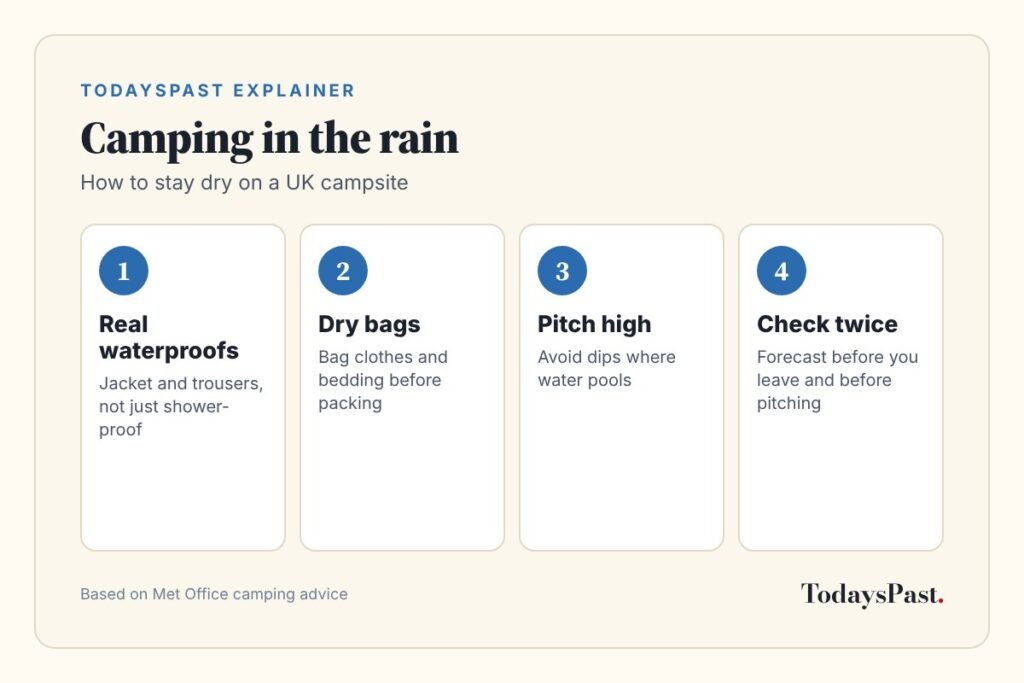
- Bring a waterproof jacket and waterproof trousers, not just a shower-proof coat.
- Pack clothing and bedding in dry bags or plastic bags before putting them in your rucksack.
- Take spare socks and a warm layer for evenings.
- Bring a groundsheet or footprint if your tent does not include one.
- Check the forecast before you leave and again before pitching.
The Met Office recommends checking the forecast before travelling, packing clothing and bedding in plastic bags, and taking rain ponchos and plastic bags for wet conditions. It also advises choosing higher ground to avoid water pooling if rain arrives.
Tent and sleeping gear
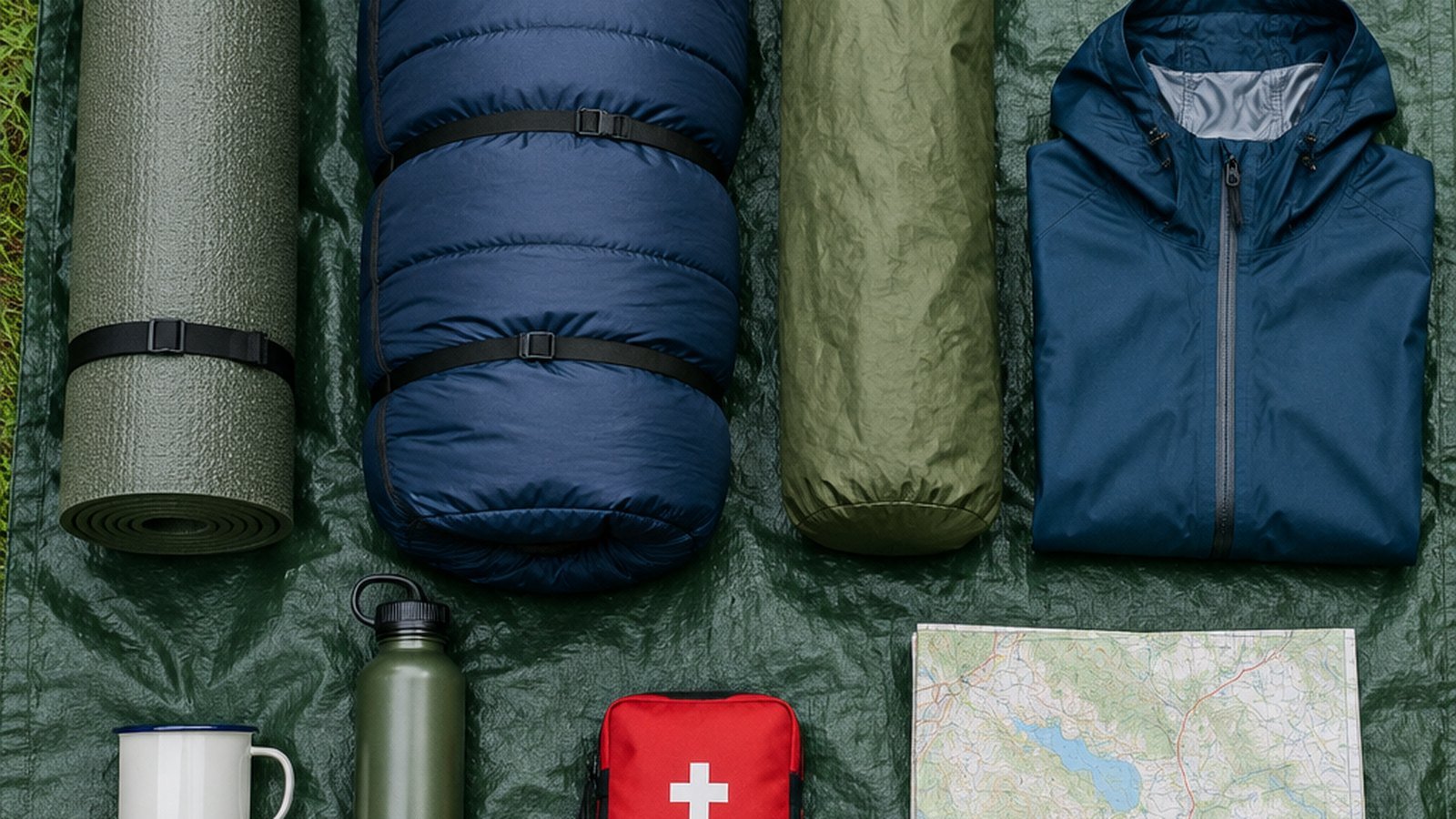
Your tent is the most important item, but it is not the only thing that determines whether you sleep well.
- Choose a tent with enough space for everyone plus gear.
- Practise putting it up at home before your first trip.
- Bring spare pegs and a repair kit.
- Use a sleeping mat as well as a sleeping bag; it helps insulate you from the cold ground.
- Bring a small blanket or extra layer for colder nights.
Cooking and food
Keep food simple for your first trip. One-pot meals, pasta, wraps, porridge, cereal, fruit and snacks are easier than trying to cook complicated meals.
- Bring a stove and enough fuel for the whole trip, plus a little spare.
- Use a cool bag for perishable food, but do not rely on it for several days.
- Bring reusable water bottles and refill them at the campsite where permitted.
- Pack a small washing-up bowl, sponge and biodegradable soap where appropriate.
- Take rubbish bags and leave your pitch clean.
Camping with children
Camping with children needs a little more planning, but it can be one of the easiest ways to introduce them to the outdoors.
- Bring familiar bedtime items, such as a favourite blanket or soft toy.
- Pack spare clothes, including extra socks and waterproofs.
- Bring simple activities: cards, books, a ball or a nature scavenger-hunt list.
- Choose a family-friendly campsite with toilets, showers and nearby facilities.
- Keep a close eye on children near roads, water, fires and cooking equipment.
Leave no trace
Good camping is not only about what you bring; it is also about how you leave the site.
- Use designated bins or take rubbish home if bins are full.
- Do not leave food outside your tent overnight.
- Keep noise considerate, especially after dark.
- Use designated toilets and washing facilities.
- Do not light fires unless the campsite explicitly permits them.
Simple weekend packing list
For a two-night weekend trip, focus on the essentials rather than bringing everything.
- Tent, groundsheet, pegs and mallet.
- Sleeping bags, mats and pillows.
- Stove, fuel, lighter, one pan and basic utensils.
- Two days of easy meals, snacks and water.
- Waterproofs, warm layers, spare socks and sturdy shoes.
- Head torch, power bank, toiletries and first-aid kit.
- Rubbish bags and a small repair kit.
Related reading
- Scotland Road Trips: 7 Scenic Routes, Itineraries and Planning Tips
- Cornwall Road Trip: A Practical 5-Day Coastal Itinerary
- Best European City Breaks from the UK: 15 Ideas
Frequently asked questions
What should I pack for a first camping trip?
Start with shelter, warmth, light, food, water, weather protection and basic safety items. A tent, sleeping bag, mat, stove, waterproofs, head torch and first-aid kit are a sensible starting point.
Do I need a sleeping mat?
Yes. A sleeping mat provides insulation from the ground as well as comfort. Without one, even a warm sleeping bag can feel cold at night.
How do I keep things dry while camping?
Use dry bags, waterproof containers or plastic bags inside your rucksack. Keep spare clothes, bedding and electronics away from the tent floor.
Can I camp in the rain?
Yes, but preparation matters. Check the forecast, use waterproof clothing and dry bags, avoid pitching in low-lying areas, and do not camp in unsafe wind or flooding conditions.
This article provides general camping information. Always follow campsite rules, local guidance and current weather warnings.
Sources: Met Office: camping in wind and rain; Met Office: enjoying holidays whatever the weather.